People
The STRIDE Consortium is housed within the Department of Civil and Environmental Engineering at the University of Wisconsin–Madison, while affiliated researchers span multiple departments across the College of Engineering, the College of Letters and Sciences, and the School of Computer, Data and Information Sciences at UW-Madison.

Director’s Message
Remote sensing is transforming how we understand and engineer the subsurface. Across energy, infrastructure, and environmental sectors, we are now able to observe fractures, stress changes, and fluid interactions as they evolve—not years later, but in real time. Yet major challenges remain: reducing uncertainty in material behavior, assessing geohazards before they escalate, and extracting actionable insights from rapidly growing data streams. I founded the STRIDE Consortium to bring together researchers and industry partners who see this opportunity clearly—to turn advanced sensing, physics-based models, and artificial intelligence into practical tools that reduce risk and cost throughout the life of a reservoir or engineered system.
Our focus is simple and ambitious: to understand civil and geological systems from microcracks to field-scale seismicity, using technologies such as distributed fiber-optic sensing, acoustic emissions, and deep learning. By anchoring our work in laboratory and field observations, we aim to reveal how damage initiates, organizes, and ultimately controls performance underground or within civil materials.
STRIDE is built for collaboration. Consortium members shape our research directions, gain early access to new analytics and datasets, and help accelerate deployment of methods that can improve drilling, fracturing, geothermal stimulation, structural health monitoring, and long-term monitoring of civil and geologic systems.
I invite you to join us—to connect the science of damage evolution with the solutions our industries urgently need. Together, we can unlock more sustainable, resilient, and intelligent subsurface engineering.
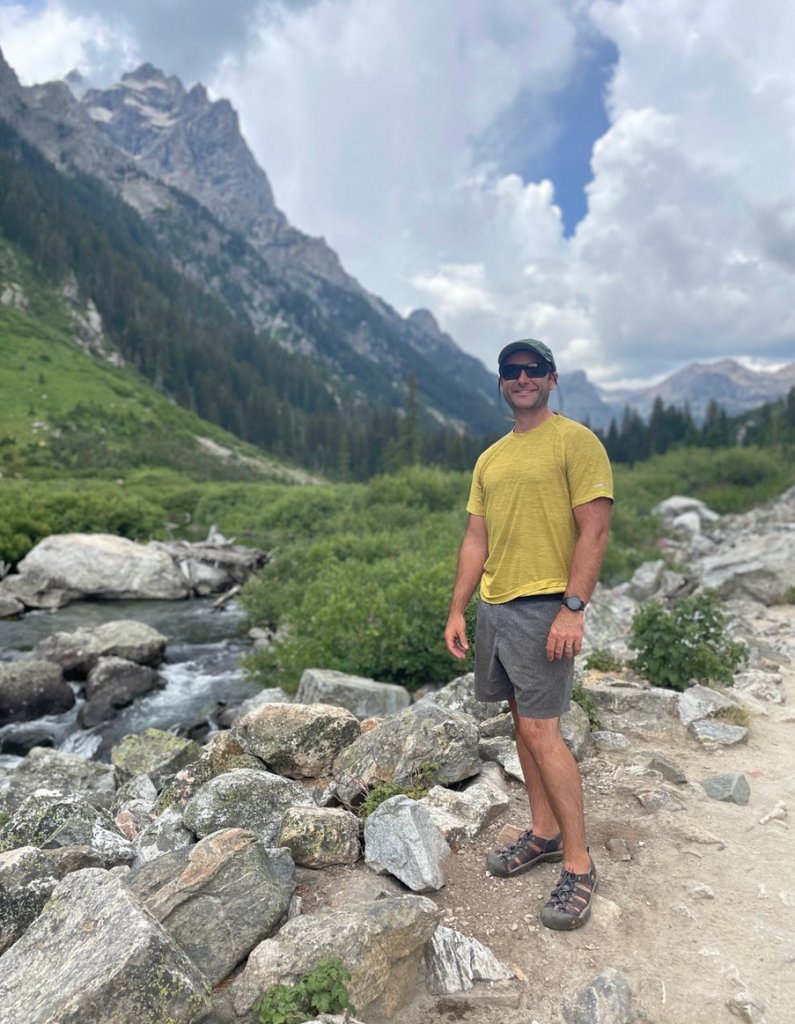
– Jesse Hampton, PhD
Prof. Jesse Hampton, Assistant Professor at UW–Madison, leads the STRIDE Consortium and the Geomechanics and Damage (GeoD) Group at the University of Wisconsin–Madison. His work sits at the intersection of civil and geological engineering, geophysics, and data science—advancing remote-sensing technologies to quantify rock and infrastructure behavior from microcracks to field-scale seismicity.
Prior to joining UW–Madison, Dr. Hampton spent seven years in the oil and gas industry developing advanced geomechanics and sensing technologies with New England Research and Halliburton, contributing to more than 19 patents and numerous publications. Today, his team partners with industry to transform distributed fiber-optic sensing, acoustic emissions, and deep learning into actionable tools for reducing risk and cost in subsurface engineering.
Affiliated Researchers
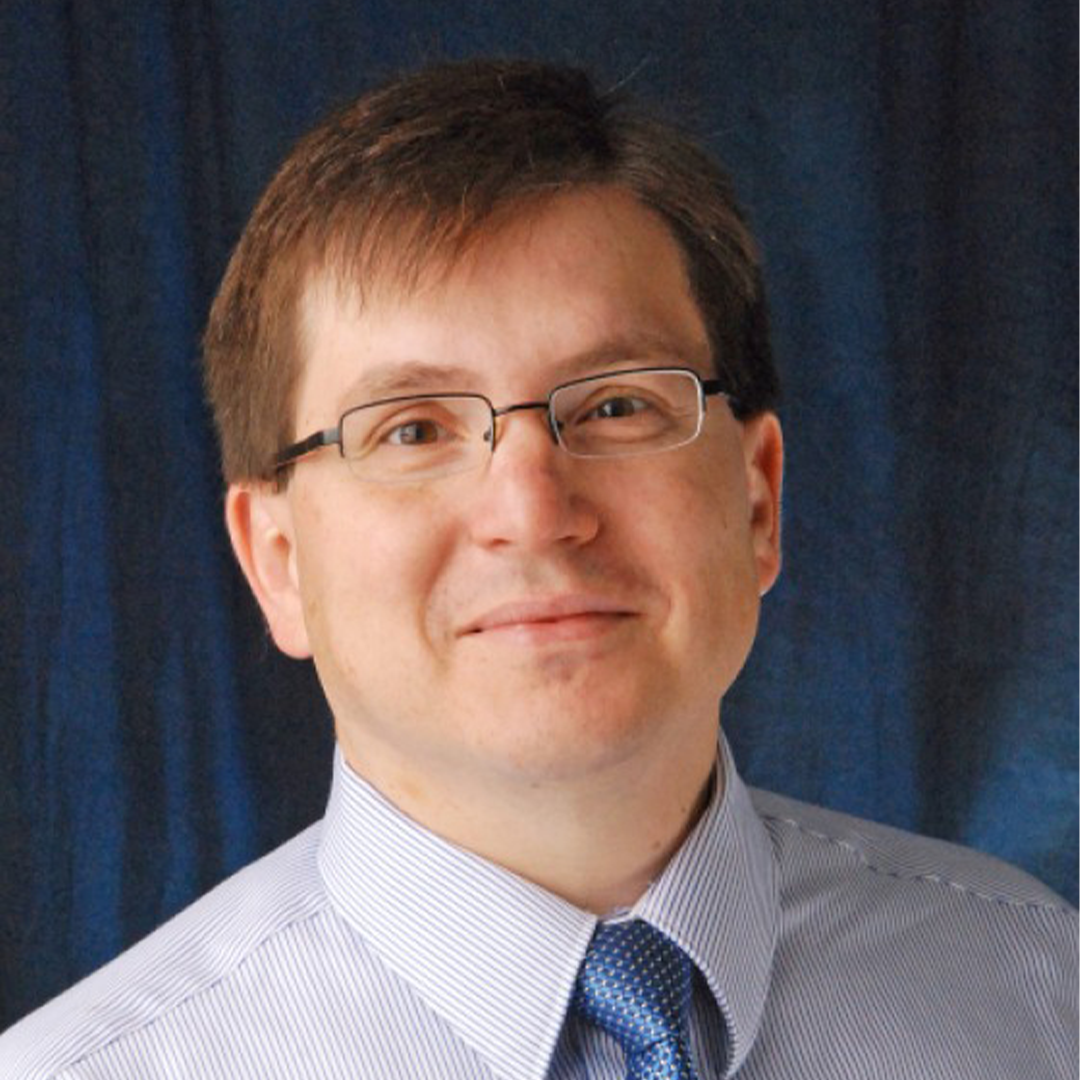
Dante Fratta
Associate Professor of Geological Engineering
Specialty: DAS, signal processing
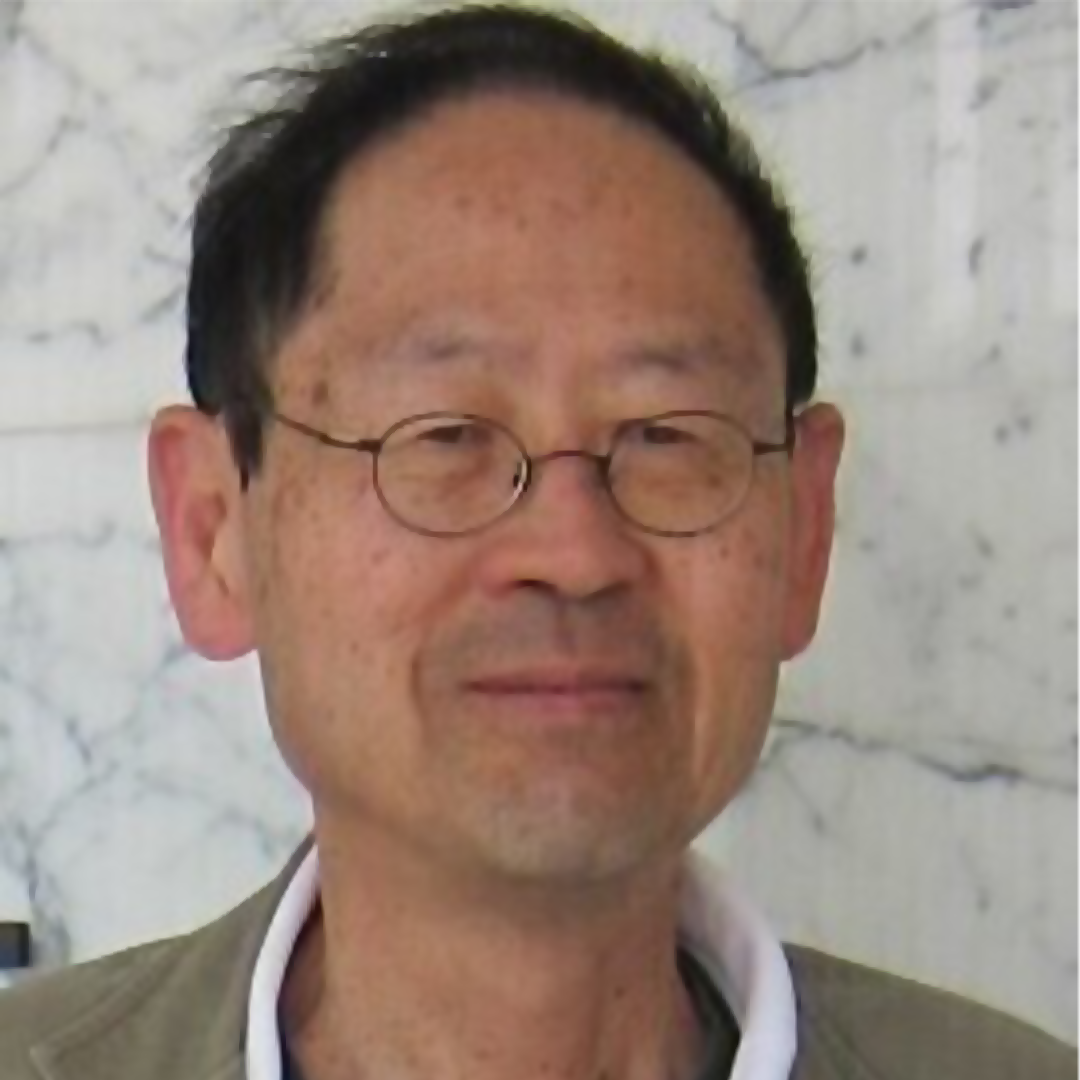
Herb Wang
Emeritus Professor of Geological Engineering
Specialty: poroelasticity, DAS
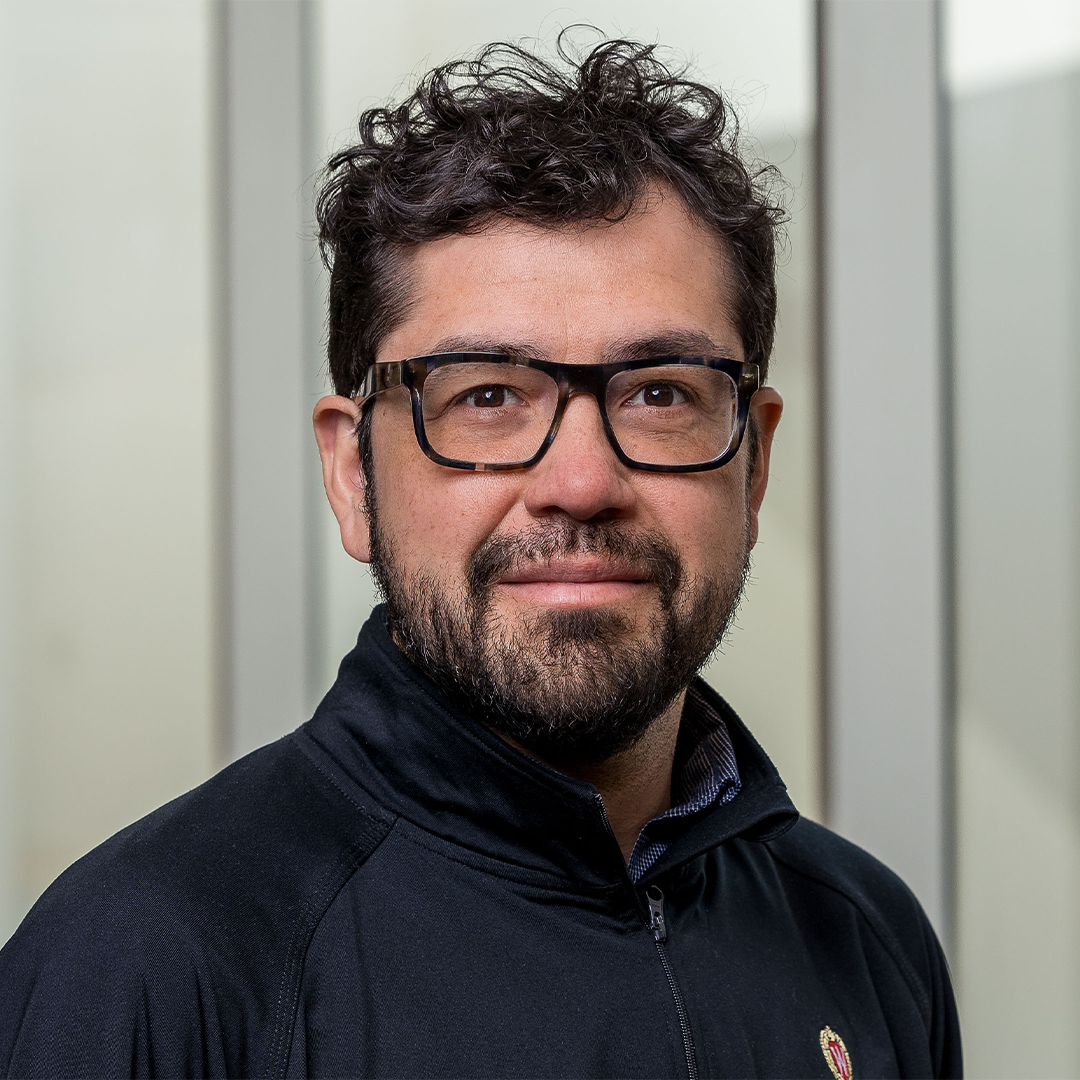
Victor Zavala
Associate Professor of Chemical & Biological Engineering
Specialty: graph theory, topological analyses
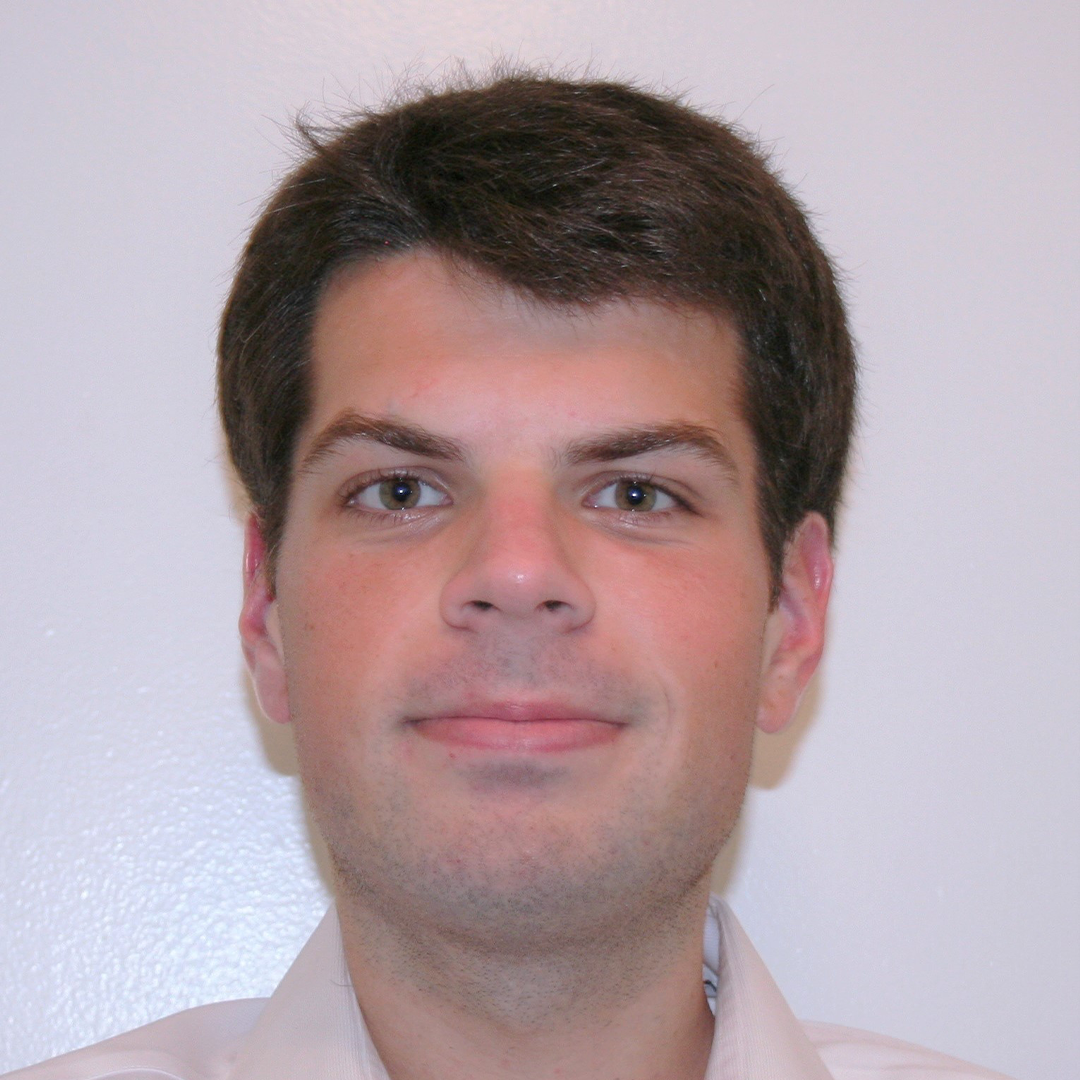
Fred Sala
Assistant Professor of Computer Science
Specialty: machine learning
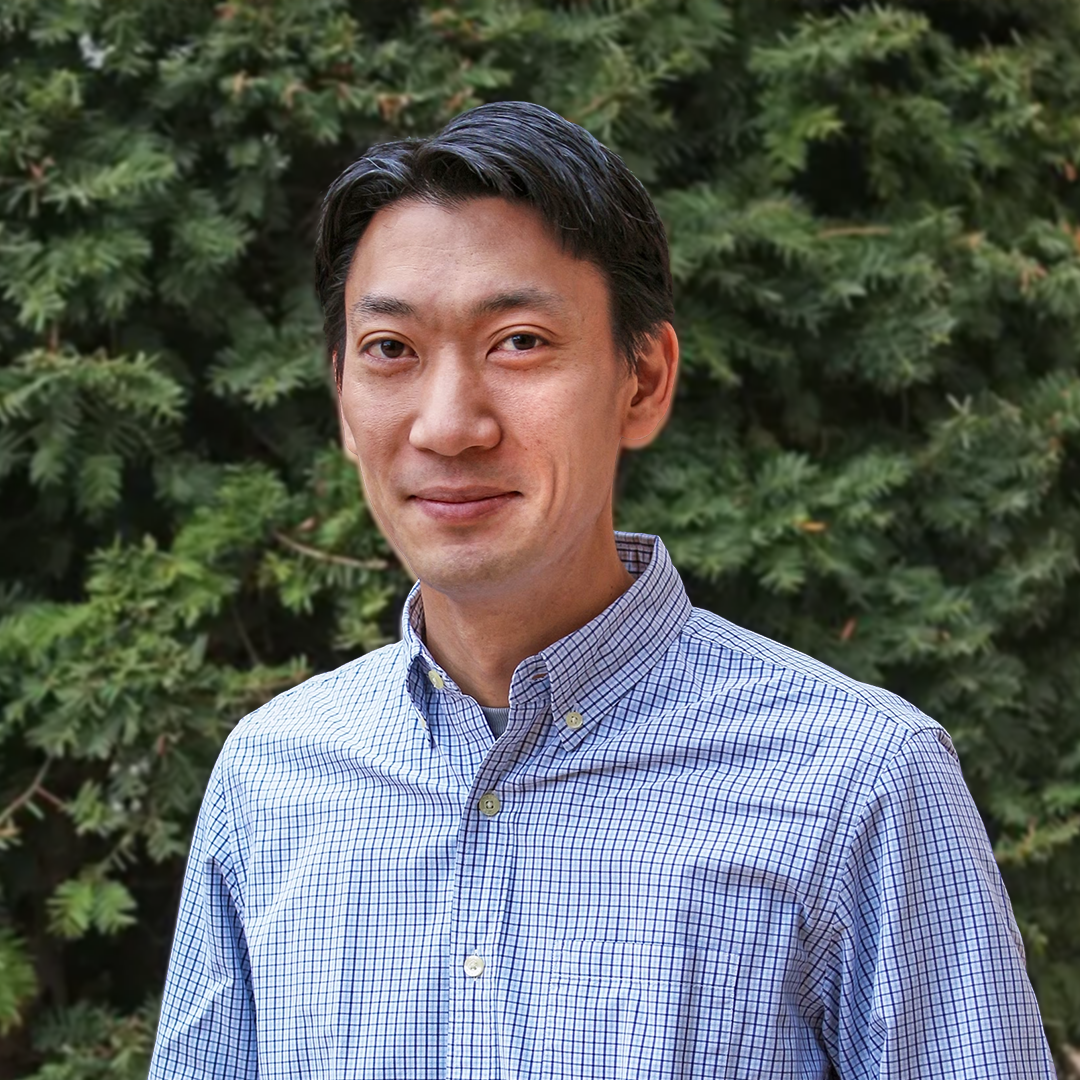
Hiroki Sone
Associate Professor of Geological and Civil & Environmental Engineering
Specialty: geomechanics, subsurface stress

Graduate Students and Postdocs

Ana Paula Villaquirán Vargas
BS, Universidad Industrial de Santander, Colombia
MS, Universidad Industrial de Santander, Colombia
Areas of study: fracture fluid flow, reservoir engineering
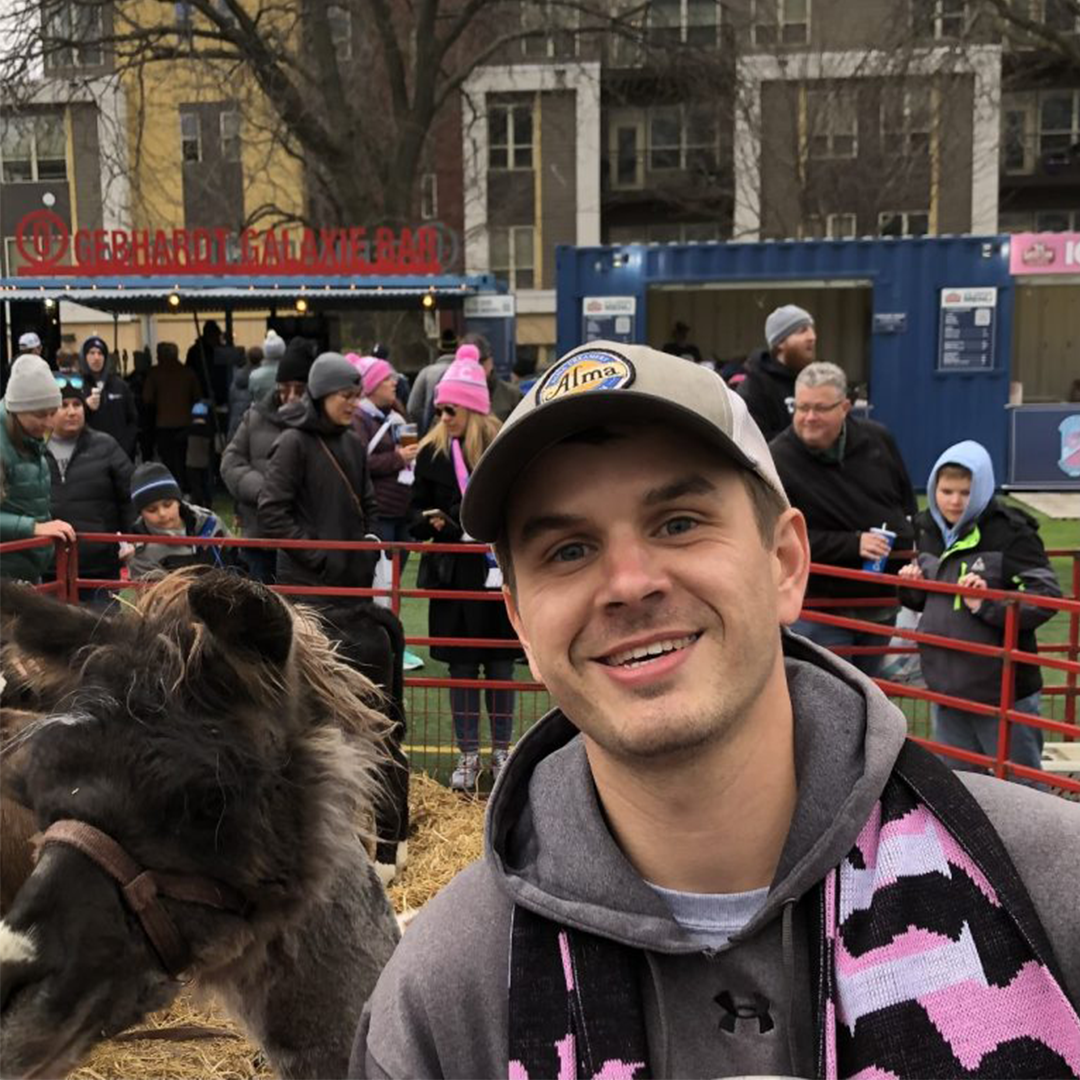
Erik Knipple
BS, Colorado School of Mines
Areas of study: damage mechanics, induced seismicity
Ellie Johnson
BS, UW-Madison Geological Engineering and Geoscience
Areas of study: graphic neural networks, machine learning, induced seismicity
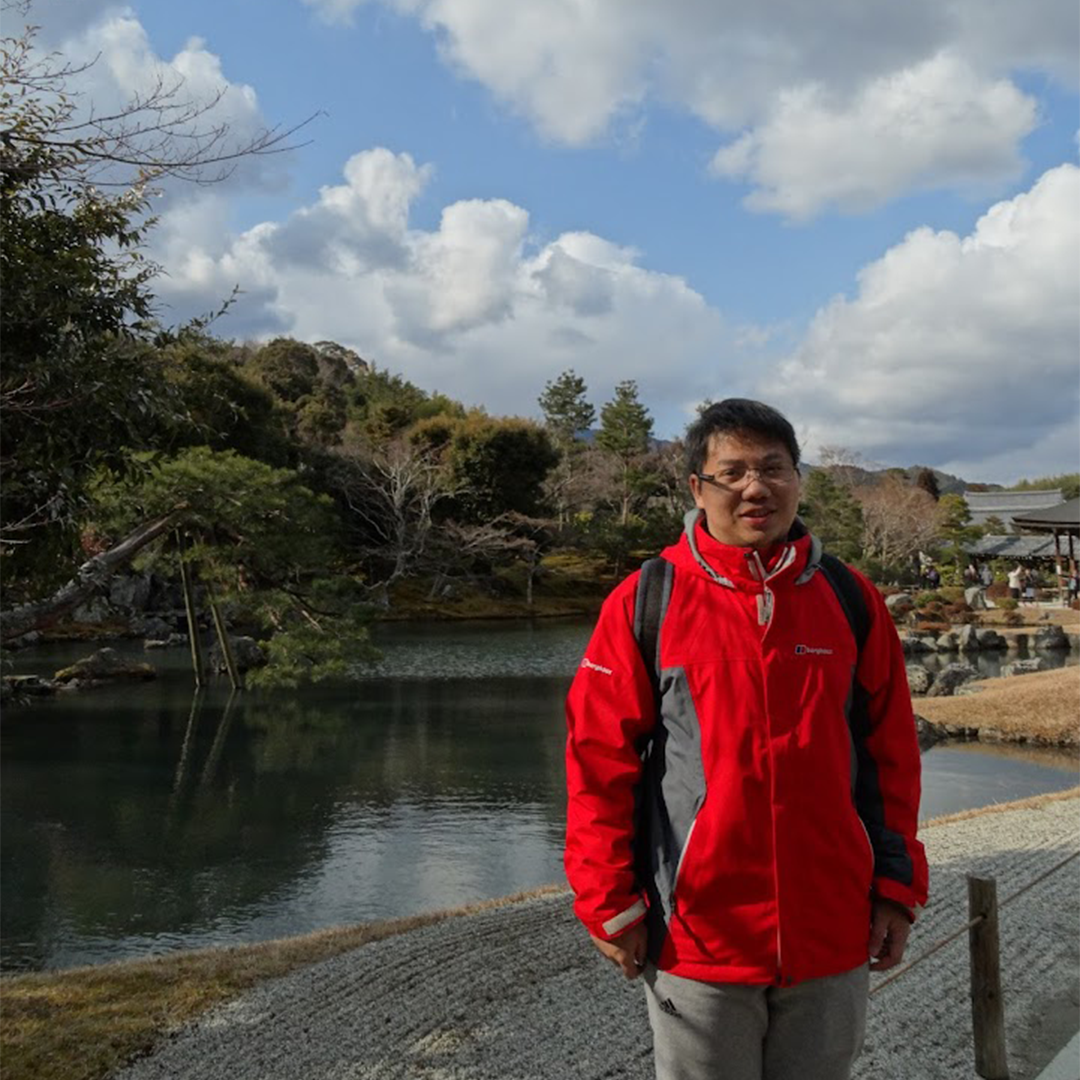
Chao-Sheng Wu
BS, National Central University, Business Administration in Economics
MS, UW-Madison, Statistics: Data Science
Areas of study: DAS, deep learning
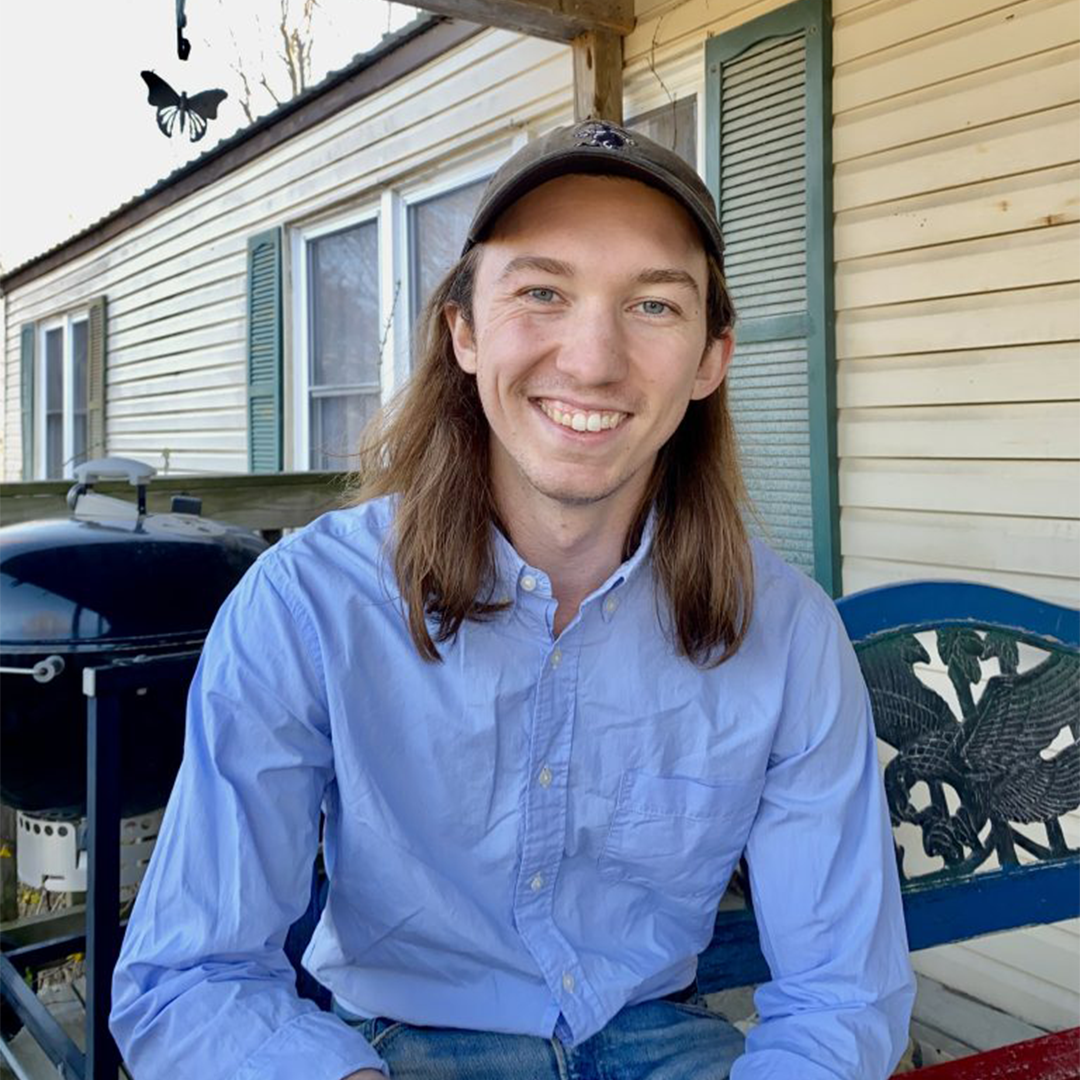
Nathan Opperman
BS, Missouri University of Science and Technology, Geology and Geophysics
Areas of study: distributed fiber optic sensing, fracture system imaging
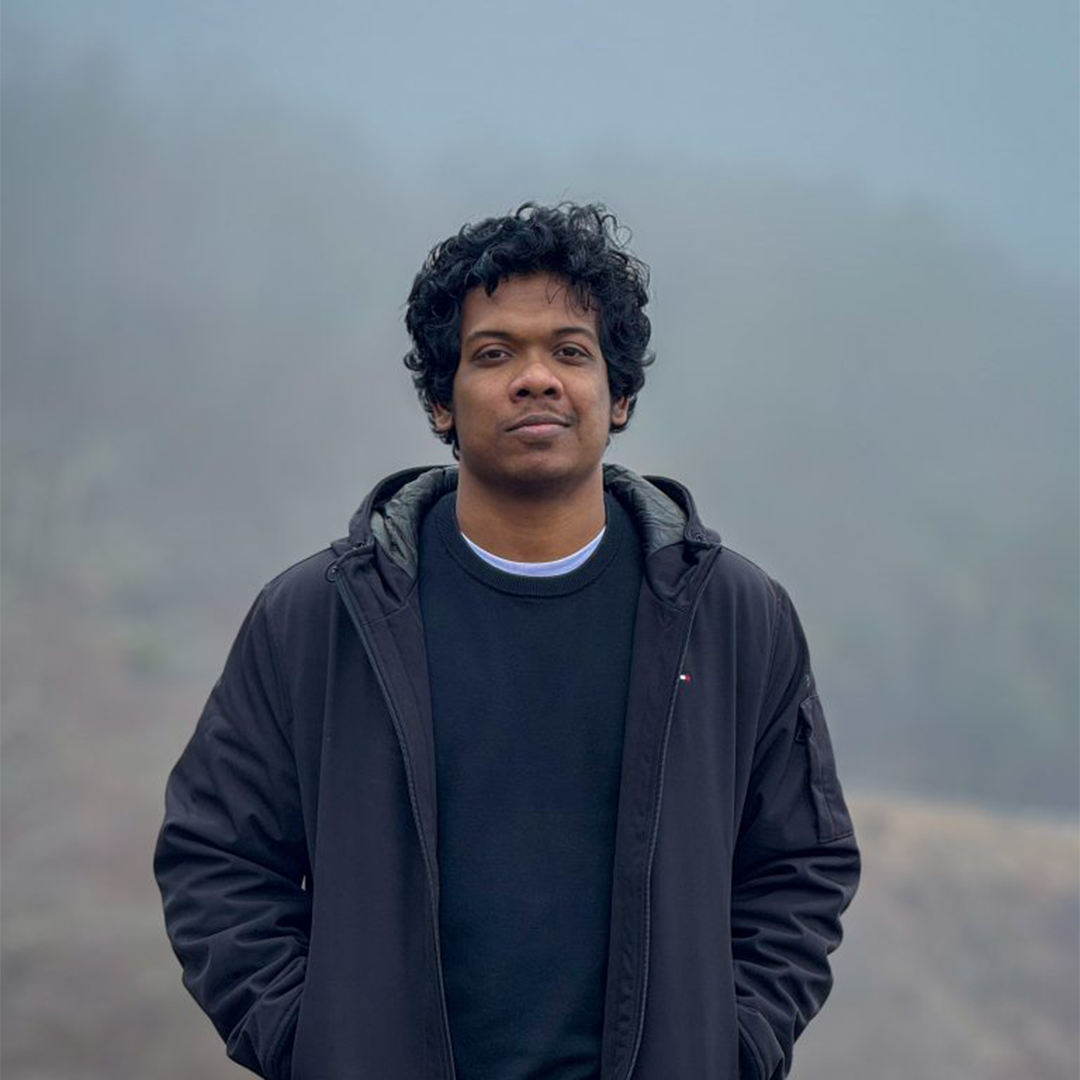
Gowshikan Arulananthan
BS, University of Moratuwa, Civil Engineering
MS, University of Moratuwa, Civil Engineering
Areas of study: distributed fiber optic sensing
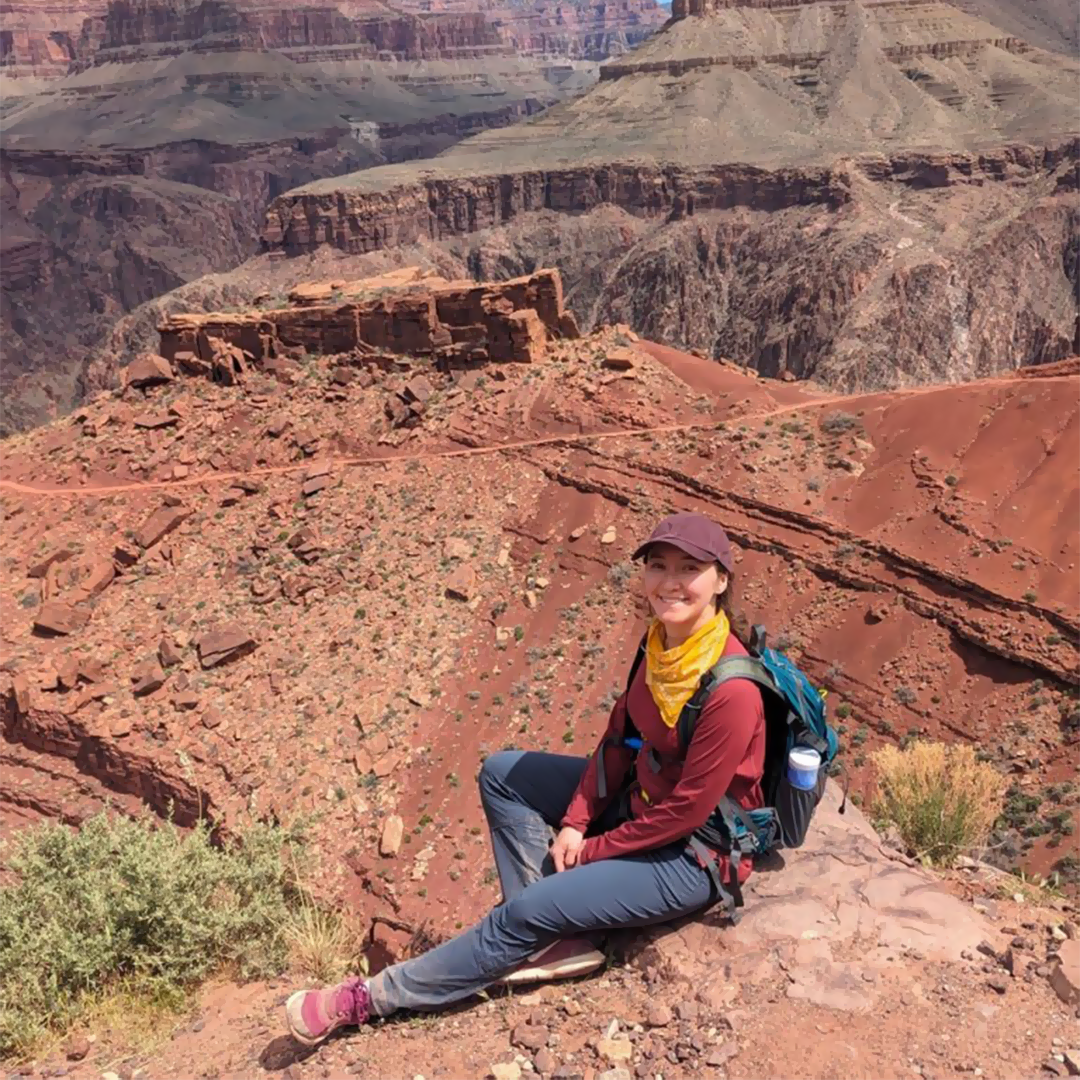
Yerkezhan Madenova
BS, Nazarbayev University, Civil Engineering
MS, Nazarbayev University, Mining Engineering
Areas of study: fracture caging and fracture systems
Research Coordinator
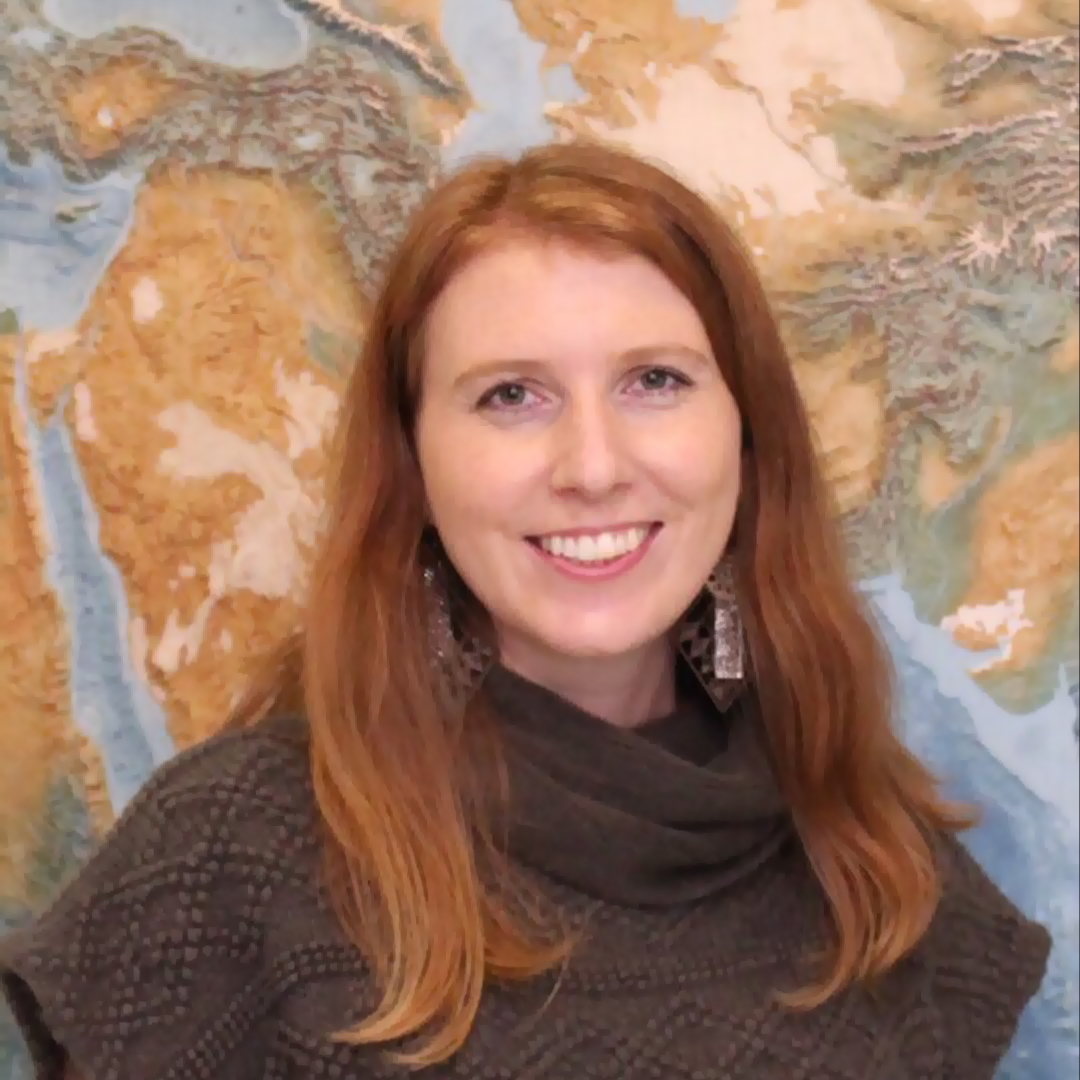
Sabrina Bradshaw

Shared Cost, Exponential Gain
Turn our revolutionary research into proprietary, field-ready tools that secure your competitive edge for the next decade.